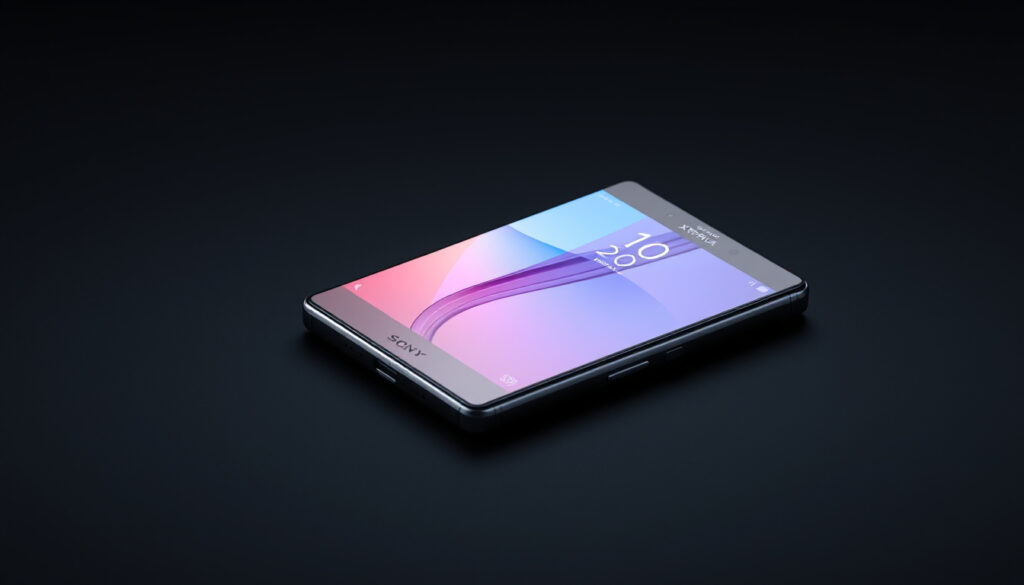
Sony Xperia 1 VII – Release Date, Price and Specs
Sony officially announced the Xperia 1 VII on May 13, 2025, marking the latest addition to its flagship smartphone lineup. The device arrives with incremental hardware improvements over its predecessor, most notably an upgraded processor, enhanced ultrawide camera, and refined audio capabilities. Pre-orders began shortly after the announcement, with the phone reaching European markets in early June 2025 at a starting price of €1,499 for the 256GB model.
The announcement event, held at 11:00 Japan time (04:00 CEST) on May 13, confirmed much of what earlier speculation had suggested regarding the device’s core specifications. Sony continued its pattern of May/June releases for the Xperia 1 series, maintaining consistency with previous generations while incrementally advancing the hardware platform.
Availability remains focused on European markets, with confirmed releases in the United Kingdom, Germany, and Spain. The device did not launch in the United States, a notable omission that raised questions about Sony’s North American strategy for its flagship smartphone range.
Sony confirmed the announcement event on May 13, 2025, at 11:00 Japan time (04:00 CEST), with official introduction following on May 15. Pre-orders began immediately after the announcement, and units began shipping to retailers in early June 2025. The pricing structure positions the device at €1,499 for the 256GB model, approximately $1,670 at the time of launch.
Tall 19.5:9 form factor, Gorilla Glass Victus 2, Moss Green, Orchid Purple, Slate Black
6.5″ FHD+ LTPO OLED, 1-120Hz, ~394 PPI, BRAVIA technology
48MP main, 48MP ultrawide (new), 12MP telephoto periscope with AI enhancements
Snapdragon 8 Elite, 12GB RAM, 5,000mAh, 30W wired, 15W wireless charging
Pre-orders began immediately after the announcement, and units began shipping to retailers in early June 2025, continuing the Xperia 1 series pattern of May/June launches.
- Sony announced the device on May 13, 2025, with pre-orders opening May 15
- European availability confirmed for UK, Germany, and Spain at launch
- No US release occurred, as Sony’s American websites omitted announcements
- Price increased compared to the previous generation’s $1,399 launch cost
- Only 256GB variant listed at launch, unlike some predecessors that offered higher storage options
- MicroSD card support retained, maintaining Sony’s expandable storage tradition
| Specification | Detail |
|---|---|
| Launch Date | May 13, 2025 (announcement) |
| Pre-Order Start | May 15, 2025 |
| Market Availability | Early June 2025 (Europe) |
| Base Price | €1,499 (~$1,670) |
| Storage Configuration | 256GB (expandable via microSD) |
| US Availability | Not available at launch |
The Sony device carries forward the 6.5-inch FHD+ LTPO OLED display from its predecessor, featuring a 1080×2340 resolution at approximately 394 PPI. The screen supports a 1-120Hz adaptive refresh rate, maintaining the 19.5:9 aspect ratio that defines the series’ tall form factor. Corning Gorilla Glass Victus 2 provides protection, and Sony’s BRAVIA technology delivers the brightest display in the current lineup.
The display maintains the same 6.5-inch size and FHD+ resolution as the previous model, with LTPO technology enabling the adaptive refresh rate. The Gorilla Glass Victus 2 upgrade provides improved drop and scratch resistance compared to previous iterations.
Design-wise, the device closely resembles the Xperia 1 VI, retaining the distinctive tall profile that sets Sony’s flagship apart from competing devices. Three color options are available: Moss Green, Orchid Purple, and Slate Black. Pre-launch rumors of a 4K display return did not materialize, as Sony continued with the FHD+ panel throughout 2025.
Qualcomm’s Snapdragon 8 Elite chipset powers the device, representing the fastest available mobile processor at the time of launch. The chipset is paired with 12GB of RAM, ensuring smooth multitasking and gaming performance. Early reviews noted strong gaming capabilities alongside the camera and battery performance.
The 5,000mAh battery capacity mirrors the previous generation, supporting 30W wired charging and 15W wireless charging. This battery size has proven adequate for the series’ power requirements, though exact endurance figures depend on individual usage patterns.
The base storage configuration stands at 256GB, with microSD card support enabling further expansion. This combination addresses storage requirements for users capturing high-resolution photos and video, which the device’s camera system encourages.
Sony committed to four major Android OS upgrades and six years of security patches for the device. This represents a meaningful improvement in software support compared to earlier Sony devices, aligning with industry expectations for flagship devices in 2025.
The camera system builds upon Sony’s Alpha-inspired heritage while introducing notable improvements to the ultrawide sensor. The configuration consists of three rear cameras designed to address various photography and videography scenarios.
The main camera features a 48MP Exmor T sensor with a 1/1.35-inch size and 24-48mm equivalent focal length. This sensor enables 2x crop zoom functionality while maintaining image quality. The telephoto lens retains a 12MP periscope design with an 85-170mm focal range, delivering 3.5x to 7x optical zoom capability.
The most significant hardware change arrives in the ultrawide department. Sony upgraded the ultrawide sensor to a 48MP Exmor RS unit with a 1/1.56-inch sensor size, 16mm focal length, and f/2.0 aperture. This new sensor represents a substantial improvement in content creation capabilities compared to previous ultrawide implementations.
AI Camerawork and Auto Framing features draw from Sony Alpha camera technology, bringing computational photography enhancements to the smartphone platform. These tools assist with subject tracking, framing suggestions, and automated adjustments during recording.
The combination of hardware improvements and AI processing enables enhanced video recording capabilities. Auto Framing provides real-time adjustment assistance during filming, while AI Camerawork optimizes various parameters automatically. These features position the device for both casual content creation and more demanding professional applications.
The transition from the Xperia 1 VI to the VII represents incremental rather than revolutionary change. Most core specifications remain consistent, including the display size, resolution, battery capacity, and telephoto camera configuration.
The physical design closely mirrors the previous generation, with Sony maintaining the tall 19.5:9 form factor that characterizes the series. Color options expanded slightly with the introduction of Orchid Purple alongside the existing Moss Green and Slate Black variants. The overall dimensions and weight remain comparable to the predecessor.
The most substantial internal upgrade arrives with the Snapdragon 8 Elite processor, representing a generational leap in compute capability. The increase in maximum OS upgrades from three to four and security patch support from four to six years demonstrates Sony’s commitment to longer device longevity. The upgrade to Gorilla Glass Victus 2 provides improved durability over the previous glass generation.
The camera system presents the most visible upgrade path, with the ultrawide sensor receiving a complete overhaul from a lower-resolution unit to a 48MP Exmor RS sensor with larger pixel area. This change directly improves low-light performance and detail capture for ultrawide shots. The addition of AI Camerawork and enhanced Auto Framing capabilities further distinguishes the new model from its predecessor.
| Feature | Xperia 1 VI | Xperia 1 VII |
|---|---|---|
| Processor | Snapdragon 8 Gen 3 | Snapdragon 8 Elite |
| Ultrawide Camera | 12MP | 48MP Exmor RS |
| Glass Protection | Gorilla Glass Victus | Gorilla Glass Victus 2 |
| OS Upgrades | 3 | 4 |
| Security Patches | 4 years | 6 years |
| Base Price (Launch) | $1,399 | €1,499 (~$1,670) |
Sony has maintained a consistent release schedule for the Xperia 1 series since its introduction. Understanding the progression of releases helps contextualize where the VII fits within the broader product lineage.
- Xperia 1 (May 2019) – Original model introduced 21:9 display ratio and flagship positioning
- Xperia 1 II (February 2020) – First 5G-enabled model in the series
- Xperia 1 III (April 2021) – Introduced periscope telephoto with variable focal length
- Xperia 1 IV (May 2022) – Continuous zoom lens technology added
- Xperia 1 V (May 2023) – Exmor T sensor debut in main camera
- Xperia 1 VI (May 2024) – Shifted to 19.5:9 aspect ratio, moved away from 4K display
- Xperia 1 VII (May 2025) – Snapdragon 8 Elite, 48MP ultrawide, enhanced software support
The series pattern of May or early summer releases has remained consistent since the original model, with the VII continuing this tradition. Each generation has introduced meaningful camera and processing improvements while maintaining the distinctive tall form factor that sets Sony devices apart.
Following the official announcement, much about the Xperia 1 VII has been confirmed, though some details warrant further observation over time.
| Established Information | Information Requiring Further Confirmation |
|---|---|
| Official announcement on May 13, 2025 | Long-term real-world battery performance data |
| Snapdragon 8 Elite processor with 12GB RAM | Detailed camera comparison test results |
| 6.5-inch FHD+ LTPO OLED display (no 4K) | Regional pricing variations beyond Europe |
| 48MP ultrawide camera upgrade | Future Sony smartphone market strategy |
| Starting price of €1,499 for 256GB | Availability timeline for additional markets |
| European availability confirmed; no US launch | Long-term software update consistency |
| Four OS upgrades and six years security patches | Real-world gaming thermal performance |
The absence of a US release at launch remains notable. While Sony’s European websites featured prominent announcements, the company’s American sites did not list the device. This raises questions about Sony’s long-term commitment to the US smartphone market for its flagship products. For more details, you can explore the CPU-Cache-Funktion und Größen.
The Xperia 1 VII enters a competitive flagship smartphone landscape in 2025, facing established alternatives from major Android manufacturers. Sony’s approach prioritizes differentiation through camera technology and audio capabilities rather than attempting to match every specification of competing devices.
The retention of the 3.5mm headphone jack and microSD card slot continues to distinguish Sony’s offering from most competitors, appealing to users who value expandable storage and high-quality wired audio. The introduction of WALKMAN DNA audio processing represents a deliberate emphasis on Sony’s heritage in portable music, marking the first implementation of this branding on the current flagship.
Pre-launch rumors from early 2025 proved largely accurate, correctly predicting the May announcement date, Snapdragon 8 Elite processor, and retention of both microSD expansion and the headphone jack. The main speculation that did not materialize was the return of a 4K display, as Sony maintained the FHD+ resolution established in the previous generation.
Reviews from mid-2025 highlight the device’s strong camera performance, reliable battery life, and gaming capabilities while acknowledging the premium pricing as a potential drawback for value-conscious consumers. For those interested in currency comparisons or financial planning tools, the USD to CAD exchange rate and similar resources may prove useful when considering regional pricing differences.
Information in this article draws from official Sony announcements and coverage from technology publications that attended or reported on the May 2025 launch event.
The Sony announcement event confirmed May 13, 2025 as the official unveiling date, with pre-orders opening May 15 and market availability in early June. The European pricing of €1,499 positions the device at a premium tier comparable to other flagship smartphones released in 2025.
While most specifications align with pre-release expectations, the absence of a US market announcement remains significant. Sony’s American online presence did not feature the device, raising questions about regional availability that remain unanswered.
For additional resources on financial calculations relevant to international pricing, the 2025 Income Tax Calculator provides tools for understanding after-tax device costs across different jurisdictions.
The Sony device represents a measured evolution of the flagship smartphone line, with the most significant hardware upgrade arriving in the form of a substantially improved ultrawide camera. The Snapdragon 8 Elite processor, extended software support commitment, and audio enhancements provide meaningful improvements over the previous generation, though the overall design and display specifications remain largely consistent.
The European launch at €1,499 reflects a price increase compared to the predecessor, and the absence of US availability limits the device’s potential market reach. For users prioritizing camera performance, expandable storage, and traditional audio connections, the device offers a differentiated proposition in the premium smartphone segment.
When did Sony officially announce the Sony device?
Sony announced the device on May 13, 2025, at 11:00 Japan time (04:00 CEST), with pre-orders opening two days later on May 15.
What is the starting price of the Sony device?
The base model with 256GB storage is priced at €1,499 (approximately $1,670), representing a price increase compared to the previous generation.
Does the Sony device support wireless charging?
Yes, the device supports 15W wireless charging in addition to 30W wired charging. The 5,000mAh battery capacity matches the previous generation.
What camera upgrades does the Sony device feature?
The most significant upgrade is the new 48MP ultrawide camera with a 1/1.56-inch Exmor RS sensor. The main camera retains a 48MP Exmor T sensor, while the telephoto maintains 12MP with 3.5x-7x optical zoom.
Is the Sony device available in the United States?
No, Sony did not release the device in the US market at launch. Availability remains focused on European markets including the UK, Germany, and Spain.
Does the Sony device have a microSD card slot?
Yes, the device retains microSD card support alongside 256GB of internal storage, enabling further expansion for media and file storage.
How many operating system upgrades will the Sony device receive?
Sony committed to four major Android OS upgrades and six years of security patches, an improvement over the three OS upgrades offered with the previous generation.
What processor powers the Sony device?
The device uses the Qualcomm Snapdragon 8 Elite processor with 12GB of RAM, representing the fastest mobile chipset available at the time of launch.
What audio features does the Sony device include?
The device includes a 3.5mm headphone jack and introduces WALKMAN DNA audio processing for enhanced sound quality. This marks the first implementation of Sony’s portable music heritage branding on the current flagship.
What display does the Sony device feature?
A 6.5-inch FHD+ LTPO OLED display with 1080×2340 resolution (approximately 394 PPI), 1-120Hz adaptive refresh rate, and Corning Gorilla Glass Victus 2 protection. Despite earlier speculation, no 4K resolution option is available.
More related posts
 Rim of the World: Good Movie? Age Rating & Kids Guide
 Amanda Holden: Biography, Family, Net Worth & Life Events
 Steve Martin 2025: Health, Family, and Career Updates
 Lars and the Real Girl – Plot, Cast, Ending Guide
 Jennifer Aniston Net Worth – $320 Million Breakdown 2024
 Max RRSP Contribution 2025: Limit, Rules & Calculator
 Anime Rangers X Codes (May 2024): Gems, Gold & Rerolls
 Dylan Sprouse Movies and TV Shows: Full Filmography