François-Philippe Champagne – Canada’s Finance Minister Profile
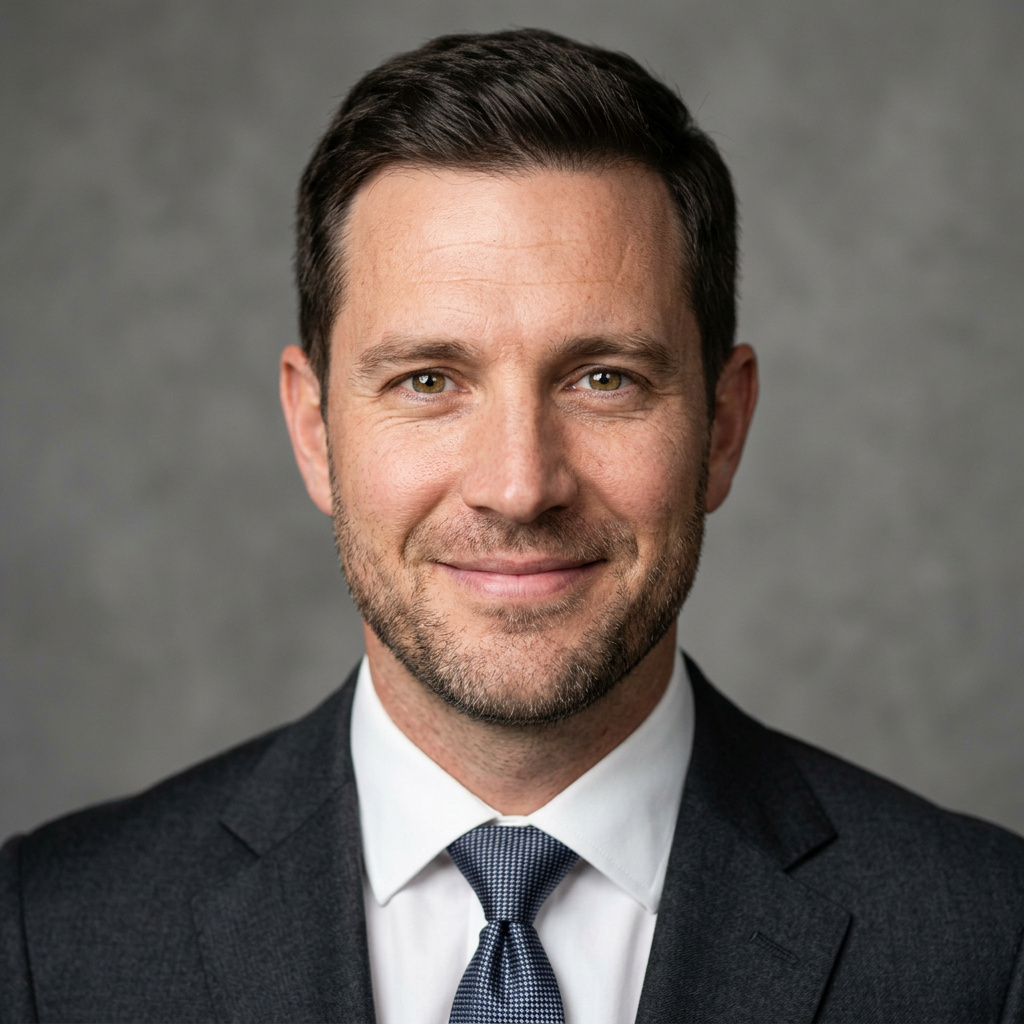
François-Philippe Champagne has built a career that spans international law, global corporate leadership, and Canadian federal politics. Currently serving as Minister of Finance and National Revenue, Champagne represents the riding of Saint-Maurice—Champlain in Quebec and has held multiple senior cabinet positions since first entering Parliament in 2015. His trajectory reflects a blend of legal expertise, international trade experience, and diplomatic engagement that has shaped his approach to governance.
Born in Greenfield Park, Quebec, in 1970, Champagne pursued legal studies before embarking on a corporate career that took him from Ohio to Genoa, Zurich, and London. His transition to politics under the Liberal Party banner brought him into the Trudeau government’s inner circle, where he has overseen trade agreements, infrastructure investments, and foreign policy initiatives. Recent developments have placed him at the centre of Canada’s economic and fiscal policy as Finance Minister under Prime Minister Mark Carney.
This profile examines his background, career progression, current responsibilities, and the controversies that have followed him through public life.
Who is François-Philippe Champagne?
Background and Education
Champagne was born on June 25, 1970, in Greenfield Park, Quebec. His father, Gilles Champagne, was a lawyer and businessman, while his mother was Lucille Racine. This professional family background provided the foundation for his subsequent legal training and international outlook.
He obtained a bachelor’s degree in law from the University of Montreal, followed by advanced studies at the Hague Academy of International Law in the Netherlands, where he earned a certificate in international law in 1992. He later completed a master’s degree in law from Case Western Reserve University in Cleveland, Ohio, and was admitted to the Quebec Bar in 1994.
Snapshot Facts
| Category | Details |
|---|---|
| Birth | June 25, 1970, Greenfield Park, Quebec |
| Education | Law degree, University of Montreal; Master’s, Case Western Reserve University |
| Professional Background | Corporate lawyer, senior legal executive |
| First Elected | October 2015 (Saint-Maurice—Champlain) |
| Political Party | Liberal Party of Canada |
| Current Portfolio | Finance and National Revenue |
| Languages | Fluent in English and French |
What is François-Philippe Champagne’s Current Position?
Since March 2025, Champagne has served as Canada’s Minister of Finance, a role in which he shapes the country’s fiscal policy and federal budget. Prime Minister Mark Carney, who succeeded Justin Trudeau, selected him for this pivotal position during the leadership transition. In May 2025, Champagne additionally assumed the National Revenue portfolio, consolidating his authority over both fiscal and taxation matters.
His appointment marked a significant elevation within the cabinet structure. As Finance Minister, he delivered his first major budget presentation in November 2025, introducing several sweeping policy measures that reflected his background in international trade and corporate governance.
Key Policy Directions in the 2025 Budget
Champagne announced a series of initiatives in his 2025 budget that signalled a substantial shift in fiscal priorities. The budget included the establishment of a Financial Crimes Agency, scheduled to begin operations in 2026, alongside what the government described as a “national anti-fraud strategy.” These measures responded to growing concerns about financial integrity and regulatory oversight within Canadian institutions.
On the spending side, the budget called for a reduction of the civil service by approximately 40,000 positions, a move framed as increasing governmental efficiency. Immigration targets were also sharply reduced, with temporary immigration expected to drop from 673,650 in 2025 to 385,000 in 2026. The government committed to balancing operational spending by 2029 while meeting NATO’s military spending target of 2% of GDP by 2026.
The 2025 budget marked a departure from previous expansionary approaches, prioritising deficit reduction and reduced government spending. Champagne’s corporate background in financial oversight informed his approach to civil service restructuring and anti-fraud measures.
What Political Party Does François-Philippe Champagne Belong To?
Champagne represents the Liberal Party of Canada, the centre-left political party that has governed Canada for much of the past three decades. He first sought elected office under the Liberal banner in 2015 and has remained a consistent member of the party caucus throughout his parliamentary career.
His electoral district, Saint-Maurice—Champlain, is located in Quebec and has historically been a competitive riding. The riding’s demographics and political culture have made it a target for all major parties, though Champagne has maintained his seat through multiple election cycles.
Quebec Representation in Federal Politics
As a Quebec-based Liberal MP, Champagne occupies a significant position within his party’s national coalition. Quebec provides a substantial portion of Liberal seats in Parliament, and MPs from the province often serve as bridges between federal priorities and regional interests. Champagne’s bilingual capabilities—he speaks both official languages fluently—have enhanced his effectiveness in this representational role.
Recognition of his parliamentary effectiveness came early in his career. In January 2017, Maclean’s magazine identified Champagne as the MP who spoke most frequently in both official languages among all 338 members of the House of Commons. The same year, The Hill Times named him the “most effective government MP during question period” in their annual survey of federal politics.
What Previous Roles Has François-Philippe Champagne Held?
Before entering Parliament, Champagne built an extensive career in the private sector. His professional journey took him through multiple countries and industries, providing experience that would later inform his political priorities.
Early Legal and Corporate Career
Champagne began his legal career in 1989 as a lawyer for Elsag Bailey Process Automation in Ohio. In 1994, he was transferred to Genoa, Italy, to work at the company’s European headquarters, marking his first major international posting. This early exposure to cross-border business operations would characterise much of his subsequent career.
In 1999, he joined ABB Group in Zurich, Switzerland, serving as vice-president and chief legal officer. Between 2008 and 2013, he held several positions at AMEC Foster Wheeler in London, United Kingdom, including director of strategic development, interim general counsel, and member of the management committee. Alongside these corporate roles, Champagne served on multiple boards of directors, including the Incheon Bridge Corporation in South Korea and the Centre for Excellence in Energy Efficiency in Shawinigan.
Electoral and Parliamentary Entry
Following the October 2015 federal election, Champagne was elected as a Liberal MP for Saint-Maurice—Champlain. Within weeks of his election, he was appointed Parliamentary Secretary to the Minister of Finance in December 2015, positioning him for more substantive cabinet responsibilities.
He has since held several cabinet positions, progressing through increasingly senior portfolios:
- Minister of International Trade (January 2017 – 2018)
- Minister of Infrastructure and Communities (2018 – 2019)
- Minister of Foreign Affairs (2019 – 2021)
- Minister of Innovation, Science and Industry (2021 – 2025)
- Minister of Finance and National Revenue (2025 – present)
Achievements in Previous Portfolios
During his tenure as Minister of International Trade, Champagne oversaw the partial and provisional adoption of the Comprehensive Economic and Trade Agreement (CETA) with Europe and the signing of the Comprehensive and Progressive Agreement for Trans-Pacific Partnership (CPTPP). These achievements positioned Canada as an active player in global trade negotiations and expanded market access for Canadian businesses.
As Minister of Infrastructure and Communities, he supervised a $187 billion federal infrastructure investment plan—the largest such commitment in Canadian history. His tenure as Minister of Foreign Affairs (2019–2021) saw him spearhead the creation of the Declaration Against Arbitrary Detention in State-to-State Relations, which gathered support from more than 80 countries. He also welcomed the Trump-brokered peace agreement between Israel and the United Arab Emirates in 2020.
Champagne’s work on arbitrary detention diplomacy represented a significant Canadian contribution to international law. The declaration, endorsed by over 80 nations, established guidelines for preventing the use of detention as a diplomatic bargaining chip between countries.
Key Milestones in François-Philippe Champagne’s Career
From international law offices to the cabinet table, Champagne’s career has followed a distinctive progression:
- 1989: Begins legal career at Elsag Bailey Process Automation in Ohio
- 1994: Transferred to Genoa, Italy, as company expands European operations
- 1999: Joins ABB Group in Zurich as vice-president and chief legal officer
- 2008–2013: Holds senior positions at AMEC Foster Wheeler in London
- October 2015: Elected as Liberal MP for Saint-Maurice—Champlain
- December 2015: Appointed Parliamentary Secretary to the Minister of Finance
- January 2017: Becomes Minister of International Trade
- 2018: Named Minister of Infrastructure and Communities
- 2019: Appointed Minister of Foreign Affairs
- 2021: Takes on Minister of Innovation, Science and Industry portfolio
- March 2025: Selected as Minister of Finance by Prime Minister Mark Carney
- May 2025: Assumes National Revenue portfolio
What is Known and Unclear About François-Philippe Champagne
While substantial information exists about Champagne’s public career, certain aspects remain less documented or present ongoing questions.
Established Information
- Election dates and riding history confirmed through official parliamentary records
- Cabinet appointments and portfolio assignments documented by Government of Canada
- Educational credentials verified through university records and biographical sources
- International trade achievements substantiated through CETA and CPTPP documentation
- Infrastructure investment figures tied to federal budget announcements
- Foreign policy initiatives corroborated by international media and diplomatic records
- Recognition by Maclean’s and The Hill Times verified through their archives
Information Requiring Further Clarification
- Specific details about his role in the Financial Crimes Agency’s design remain forthcoming from Treasury Board
- The full scope of civil service reductions and affected departments still under negotiation
- Long-term impacts of immigration target reductions on labour market remain subject to ongoing analysis
- Details of his corporate legal work for ABB Group and AMEC Foster Wheeler lack public disclosure
- Board positions and any ongoing financial interests require conflict of interest review
Understanding Champagne’s Role in Federal Politics
Champagne’s career reflects several broader patterns in Canadian federal politics. His transition from international corporate law to elected office follows a well-trodden path for Liberal candidates, particularly those from professional backgrounds in law, business, or finance. His rapid ascent through cabinet positions suggests party confidence in his policy capabilities and electoral durability.
His tenure across multiple portfolios—trade, infrastructure, foreign affairs, innovation, and finance—demonstrates the kind of versatility the Liberal Party values in senior ministers. Each portfolio built upon previous experience: trade negotiations informed his foreign affairs work, while infrastructure oversight connected to innovation policy through the lens of national competitiveness. His current finance portfolio synthesises these experiences, drawing on his background in international business and regulatory affairs.
As of the current parliamentary session, Champagne has made 352 interventions in the House of Commons, with recent work focused on employment, finances, and Canada-U.S. relations. His parliamentary record demonstrates consistent engagement with economic and trade issues, reflecting both his portfolio responsibilities and the priorities of his Quebec constituents.
Official Sources and Statements
Several official sources provide authoritative information about Champagne’s career and public statements:
The Prime Minister, upon taking office, selected Champagne as Finance Minister in recognition of his extensive experience in international trade and economic policy.
— Official statement from the Prime Minister’s Office, March 2025
Champagne spearheaded the creation of the Declaration Against Arbitrary Detention in State-to-State Relations, which was endorsed by more than 80 countries.
— Government of Canada official biography
Researchers and journalists seeking authoritative information should consult the official parliamentary records and the Government of Canada ministerial biography, both of which provide regularly updated information on his parliamentary activities and portfolio responsibilities.
The Bottom Line on François-Philippe Champagne
François-Philippe Champagne represents a distinctive combination of international legal expertise, corporate leadership, and political pragmatism. His career path—from Montreal law school through European corporate offices to the highest levels of Canadian cabinet government—reflects both personal ambition and the Liberal Party’s trust in experienced professionals. His current role as Finance Minister places him at the centre of Canada’s economic policy during a period of significant fiscal adjustment, with responsibility for managing the civil service, immigration targets, and national security measures. Those interested in understanding how federal economic policy may evolve should monitor his portfolio decisions and budget implementations closely.
Is François-Philippe Champagne involved in any recent controversies?
In June 2020, it was reported that Champagne held two mortgages with the state-owned Bank of China, raising questions about potential vulnerability to foreign influence. This disclosure prompted scrutiny but did not result in formal allegations of wrongdoing or ethics violations.
What languages does François-Philippe Champagne speak?
Champagne is fluent in both English and French. In January 2017, he was identified as the MP who most frequently spoke in both official languages in the House of Commons.
Where was François-Philippe Champagne born?
He was born on June 25, 1970, in Greenfield Park, Quebec, a suburb on the south shore of Montreal.
What companies did Champagne work for before politics?
Before entering politics, he worked for Elsag Bailey Process Automation (Ohio and Italy), ABB Group (Zurich), and AMEC Foster Wheeler (London). He also served on boards including the Incheon Bridge Corporation in South Korea.
How many times has Champagne been elected?
Champagne has been elected in multiple federal elections starting in 2015 and continues to hold his seat representing Saint-Maurice—Champlain in Quebec.
What is Champagne’s educational background?
He holds a bachelor’s degree in law from the University of Montreal, a certificate in international law from the Hague Academy of International Law, and a master’s degree in law from Case Western Reserve University in Cleveland, Ohio.
More related posts
 Eliminatorias Copa del Mundo 2026: Portugal Group F & Playoffs
 Milwaukee Bucks vs Cleveland Cavaliers Match Player Stats – Box Scores & Top Performers
 Trading Post Port Perry – Local Buy, Sell & Trade Guide
 Timberwolves vs Oklahoma City Thunder Timeline – Head-to-Head Records and Results
 Cape Breton Post Obituaries: Recent & How to Search
 Love Is Blind Couples Still Together – 2026 Status Update
 Best Home Water Filtration System Ireland: Costs, Reviews
 Max RRSP Contribution 2025: Limit, Rules & Calculator