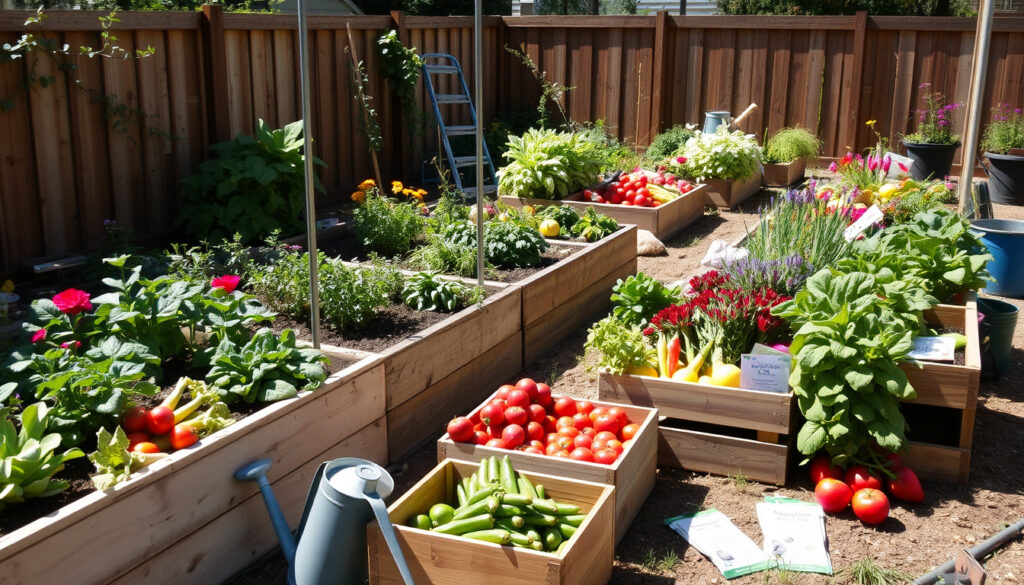
Grow a Garden Trade – Low-Cost Startup Guide
The garden trade represents a compelling opportunity for entrepreneurs looking to combine agricultural expertise with commercial viability. This sector—encompassing everything from wholesale plant production to specialty crop cultivation—continues expanding as demand grows for locally sourced, sustainable produce and ornamental plants. Understanding how to navigate the startup landscape, select appropriate crops, meet regulatory requirements, and establish sales channels can mean the difference between a hobby that lingers and a profitable enterprise that scales over time.
Whether you’re considering transitioning from backyard gardening to commercial production, or exploring horticulture as a business diversification strategy, the fundamentals remain consistent. Market analysis, financial planning, operational setup, and compliance form the foundation upon which successful garden trade operations are built.
How Do I Start a Garden Trade Business?
Launching a garden trade operation requires methodical preparation across multiple fronts. Industry veterans emphasize that successful businesses follow a structured sequence: Planning, Marketing, Management, and Production—in that order. This approach ensures that demand exists before committing resources to cultivation.
Before investing in seeds, equipment, or land, aspiring trade growers should define their service area and analyze local competition. A 10 to 15-mile radius typically represents a practical territory for local gardening services, allowing for manageable travel times while capturing a sufficient customer base.
Startup Overview
Key Insights for New Garden Trade Operators
- Focus on high-demand wholesale crops such as herbs and ornamental plants
- Local markets and garden centers serve as primary buyer channels
- Scale gradually from backyard production to dedicated nursery facilities
- Government grants may be available for qualifying agribusiness startups
- Factor travel time, insurance, and equipment depreciation into pricing structures
- Research competitors through platforms like Google Maps and review sites
- Establish clear business goals and identify target customers before planting
Industry Snapshot
| Fact | Details |
|---|---|
| Industry Size | Global horticulture trade exceeds $100 billion annually |
| Entry Barrier | Low capital requirements, high labor input |
| ROI Potential | 20–50% margins achievable on produce sales |
| Seasonality | Year-round operation possible with greenhouse infrastructure |
| First-Year Revenue Target | $50,000–$75,000 for solo operators |
| Staffing Impact | Each full-time crew member can generate ~$50,000 additional annual revenue |
Market garden guides from agricultural extension services consistently recommend completing comprehensive business planning before committing to production. This includes product description, market need assessment, customer demographics, launch timeline, location details, and financing strategy.
What Plants Are Best to Grow for the Garden Trade?
Crop selection represents one of the most consequential decisions a garden trade operator will make. The right choices align with market demand, local climate conditions, available infrastructure, and personal expertise. High-demand wholesale crops consistently outperform commodity varieties in profitability for small-scale trade operations.
Profitable Crop Categories
Herbs command premium prices in both fresh and dried forms, with culinary varieties like basil, cilantro, rosemary, and thyme showing particularly strong wholesale demand. Vegetable crops suitable for direct sale or processing—including tomatoes, peppers, leafy greens, and root vegetables—maintain stable market appeal across seasons.
Ornamental plants, including perennials, shrubs, and flowering annuals, cater to garden centers and landscaping firms. Perennials offer the advantage of multi-season productivity once established, reducing annual replanting costs while providing consistent inventory for buyers. Those exploring specialty herb production may find value in researching Moringa Benefits for Women – Hormonal Balance, Menopause, Fertility to understand niche market opportunities.
Soil Preparation for Commercial Production
Successful commercial cultivation requires attention to soil health from the outset. Professional soil testing through agricultural extension services provides baseline information on pH levels, nutrient content, and composition. This testing follows USDA standards and helps operators make informed amendments before planting.
For operations requiring soil amendment, connecting with local wholesale nurseries and landscape supply yards offers access to quality amendments at contractor pricing—significantly below retail rates. Many suppliers also offer delivery services for business account holders, though minimum order requirements may apply.
Establish relationships with local wholesale nurseries early in your planning phase. Ask about business account arrangements and delivery minimums. These partnerships can reduce input costs by 30–50% compared to retail purchasing.
How to Sell Garden Produce in the Trade?
Connecting production with buyers requires deliberate marketing effort and established sales channels. The approach varies depending on whether you operate a service-based garden business or a production-focused trade operation.
Sales Channels for Garden Trade Products
Local garden centers and nurseries represent the most accessible wholesale outlets for plant material. These establishments continuously seek reliable suppliers who can deliver consistent quality and volume. Building these relationships often begins with cold inquiries accompanied by product samples and competitive pricing.
Farmers’ markets provide direct-to-consumer sales opportunities, allowing producers to capture retail margins while gathering market intelligence. Many successful garden trade operators test new varieties at farmers’ markets before pursuing wholesale commitments.
Restaurant and food service buyers represent another growing segment, particularly for specialty herbs, heirloom vegetables, and edible flowers. These relationships typically require consistent delivery schedules and food safety documentation.
Pricing and Payment Practices
New garden trade operators frequently underprice their work, a mistake that erodes margins from the start. Effective pricing accounts for all inputs: seeds, soil amendments, labor, packaging, transportation, equipment wear, insurance, and overhead allocation.
Standard payment terms in the industry include 50% deposits for large projects and net-15 arrangements for ongoing maintenance contracts. Clear invoice templates that specify payment terms and accepted methods help maintain healthy cash flow.
What Legal Requirements Are There for Garden Trade?
Operating a garden trade business legally requires attention to several regulatory domains. Compliance protects both the operator and customers while establishing credibility with buyers and partners.
Business Structure Selection
Choosing an appropriate legal structure depends on your operation type and growth ambitions. Sole proprietorship remains the simplest and least expensive option for garden consultants and small-scale operators. Limited liability companies provide personal asset protection and may offer tax advantages as the business scales. Partnerships suit operations with multiple founders sharing investment and responsibility.
Essential Registrations and Licenses
- Federal Employer Identification Number (EIN) — Free from the IRS, required for bank accounts and employee hiring
- State business registration — Secretary of State filing, typically $50–$150 for LLC formation
- General business license — Obtained through city clerk offices
- Pesticide applicator license — Required when applying pesticides or certain fertilizers; involves exam and approximately $100 fee
- Waste carrier registration — Necessary when transporting garden waste commercially
Zoning and Location Considerations
Local zoning ordinances often restrict home-based business operations, particularly concerning noise levels and vehicle parking. Before launching, operators should verify their property’s zoning designation and any applicable restrictions. Many residential areas permit small-scale garden trade operations, while larger commercial cultivation may require agricultural or industrial zoning.
Starting from home remains viable for many operators. A standard garage of approximately 400 square feet typically accommodates basic equipment storage for initial operations. This approach minimizes overhead while allowing gradual scaling as revenue permits. Those planning urban horticulture events for marketing purposes may find the Cherry Blossom Toronto 2025 – Peak Dates and Best Spots resource useful for understanding how seasonal events can inform promotional strategies.
Misclassifying workers as 1099 independent contractors when they should be W-2 employees carries significant legal and financial penalties. Workers’ compensation insurance must be in place from the first day of employment.
Financial Infrastructure
Separating personal and business finances from the start simplifies accounting, tax preparation, and financial analysis. Business bank accounts—checking and savings—should be established once registration is complete. This separation also builds credibility with suppliers and customers who may request documentation of business legitimacy.
Insurance coverage represents a non-negotiable business expense. At minimum, small business insurance protects against property damage, liability claims, and business interruption. Operations employing workers require workers’ compensation coverage from day one of employment.
Tips for Profitable Garden Trade and Common Mistakes
Building a sustainable garden trade business requires avoiding predictable pitfalls while implementing proven operational practices. Seasoned operators and agricultural extension services offer consistent guidance on what separates thriving operations from those that struggle.
Best Practices for Profitability
- Begin with focused crop selection rather than attempting to grow everything
- Invest in professional-grade hand tools rather than consumer versions—durability pays dividends over time
- Schedule regular equipment maintenance to prevent costly breakdowns during critical periods
- Use scheduling software to manage jobs, route daily activities, and track time—platforms like Yardbook and Jobber offer free starter plans
- Reinvest early profits into infrastructure rather than personal expenses
- Monitor market prices weekly to stay competitive and adjust pricing accordingly
- Consider crop insurance to mitigate weather-related yield risks
Avoiding Common Pitfalls
Underpricing services or products ranks among the most frequent mistakes new operators make. Comprehensive cost accounting—incorporating hidden expenses like travel time, insurance premiums, equipment depreciation, and vehicle maintenance—reveals true minimum viable pricing.
Scaling too quickly strains cash flow and operational capacity. The most successful garden trade businesses grow incrementally, adding capacity only when existing operations demonstrate consistent profitability and reliable demand.
Neglecting marketing represents another common error. Even superior products require active promotion. Developing relationships with potential buyers before production begins creates immediate sales opportunities when harvest arrives.
Timeline: From Planning to Profitable Garden Trade
Establishing a commercial garden operation follows a predictable progression. Understanding this timeline helps operators set realistic expectations and prepare resources accordingly.
- Months 1–2: Planning Phase — Complete market research, select initial crop offerings, verify zoning compliance, and develop business registration strategy
- Months 3–4: Setup Phase — Prepare growing sites or containers, source soil amendments, acquire seeds or plant stock, and establish supplier relationships
- Months 5–6: Production Phase — Plant crops, implement maintenance protocols, and prepare for first harvests
- Months 7–9: Initial Sales Phase — Harvest first products, establish buyer relationships, and begin generating revenue
- Months 10–12: Optimization Phase — Analyze first-season performance, adjust crop selections, refine pricing, and plan expansion for the following year
- Year 2+: Scaling Phase — Expand production capacity, add staff if warranted, and diversify sales channels based on market feedback
Agricultural extension services emphasize that the garden trade industry has shown consistent growth, with horticulture trade expanding approximately 5% year-over-year according to USDA Agricultural Census data.
Understanding What Remains Clear and Uncertain
Certain factors in garden trade operations are well-established through agricultural research and industry experience. Others involve variables that operators must manage without full predictability.
Established Knowledge
- Soil testing following USDA standards is essential before planting commercial crops
- Consumer demand for organic and locally grown produce continues increasing post-2020
- Direct relationships with buyers generate better margins than commodity channels
- Equipment maintenance schedules significantly impact operational reliability
Factors Requiring Ongoing Management
- Weather patterns directly affect yields—crop insurance provides risk mitigation
- Market prices fluctuate seasonally and regionally—weekly monitoring helps maintain competitive positioning
- Labor availability varies by location and season—compensation of $15–$20 per hour reflects current market rates but may shift
- Regulatory requirements evolve—staying current with local ordinances and licensing requirements demands ongoing attention
The Garden Trade Industry in Context
The garden trade encompasses commercial activities centered on growing plants for wholesale distribution to garden centers, nurseries, landscapers, and food service establishments. This differs fundamentally from hobby gardening, which prioritizes personal consumption and aesthetic enjoyment over commercial viability.
Several economic drivers support continued growth in this sector. Inflation has increased consumer interest in homegrown produce and do-it-yourself landscaping, expanding the customer base for garden trade products. Urban farming integration—where commercial growing operations establish presence in metropolitan areas—connects producers with affluent urban markets willing to pay premium prices for locally sourced offerings.
The combination of relatively low capital requirements for entry, growing demand for sustainable and locally produced plants, and advancing technology for small-scale commercial growing creates favorable conditions for new garden trade entrepreneurs willing to invest time in learning the business fundamentals.
“Start small, sell local, and grow methodically. The garden trade rewards patience and precision over rapid expansion.”
— Agricultural Extension Services
“The horticulture trade continues demonstrating resilience and growth, with commercial garden operations showing approximately 5% year-over-year expansion.”
— USDA Agricultural Census
Next Steps for Aspiring Garden Trade Operators
Those ready to pursue garden trade opportunities can take several concrete actions immediately. Testing soil through local agricultural cooperative extensions provides the foundational information needed for site preparation. Joining garden trade associations connects newcomers with experienced operators and potential buyers. Listing initial products on farm marketplace platforms—whether regional cooperatives or digital marketplaces—builds sales experience and customer relationships.
For operators in Canada seeking seasonal inspiration, the Cherry Blossom Toronto 2025 – Peak Dates and Best Spots offers insight into how urban horticulture events can inform marketing strategies. Similarly, understanding complementary agricultural products through resources like Moringa Benefits for Women – Hormonal Balance, Menopause, Fertility may reveal niche crop opportunities worth exploring.
What initial investment is required to start a small garden trade operation?
Small-scale garden trade operations can launch with investments ranging from $500 to $5,000, depending on whether you begin from an existing property with basic tools or require full infrastructure setup.
How long before a garden trade business becomes profitable?
Most garden trade operations achieve profitability within 6 to 12 months, assuming appropriate crop selection, effective marketing, and sound financial management.
What business structure is recommended for new garden trade operators?
Sole proprietorship offers the simplest and least expensive formation for most new operators, though LLC formation provides additional liability protection as the business grows.
Do I need special licenses to sell plants commercially?
Requirements vary by location, but most jurisdictions require general business licensing. Pesticide applicator licenses may be necessary if applying treatments to plants being sold.
What are the most profitable crops for garden trade?
Herbs, ornamental perennials, and specialty vegetables typically offer the strongest margins for small-scale trade operations due to consumer demand and premium pricing opportunities.
How can I find buyers for my garden trade products?
Local garden centers, nurseries, farmers’ markets, restaurants, and landscaping companies represent primary buyer categories. Building relationships through direct outreach and trade associations proves effective.
Is garden trade insurance expensive?
Small business insurance costs vary based on location, operation scope, and risk factors. Workers’ compensation coverage becomes mandatory when hiring employees and should be budgeted accordingly.
Can I run a garden trade business from my home?
Many operations begin from residential properties, though local zoning ordinances may impose restrictions. Verifying compliance before launching prevents costly regulatory issues later.
More related posts
 Price of Bitcoin USD: Live Chart & 2030 Forecasts
 LCBO Gift Card Balance – Check Online In-Store Guide
 Jennifer Aniston Net Worth – $320 Million Breakdown 2024
 Bacon Egg and Cheese Sandwich: NYC Guide, Recipe, and Tips
 Max RRSP Contribution 2025: Limit, Rules & Calculator
 Sony Xperia 1 VII – Release Date, Price and Specs
 OKC Thunder vs Denver Nuggets: Prediction, Stats, Scores